Free Shipping – Store Wide
Sleep Sleep
Sleep Sleep
Brand: No
A$100.25
Availability:
-
This item is currently not available
Shop with confidence
Product Description
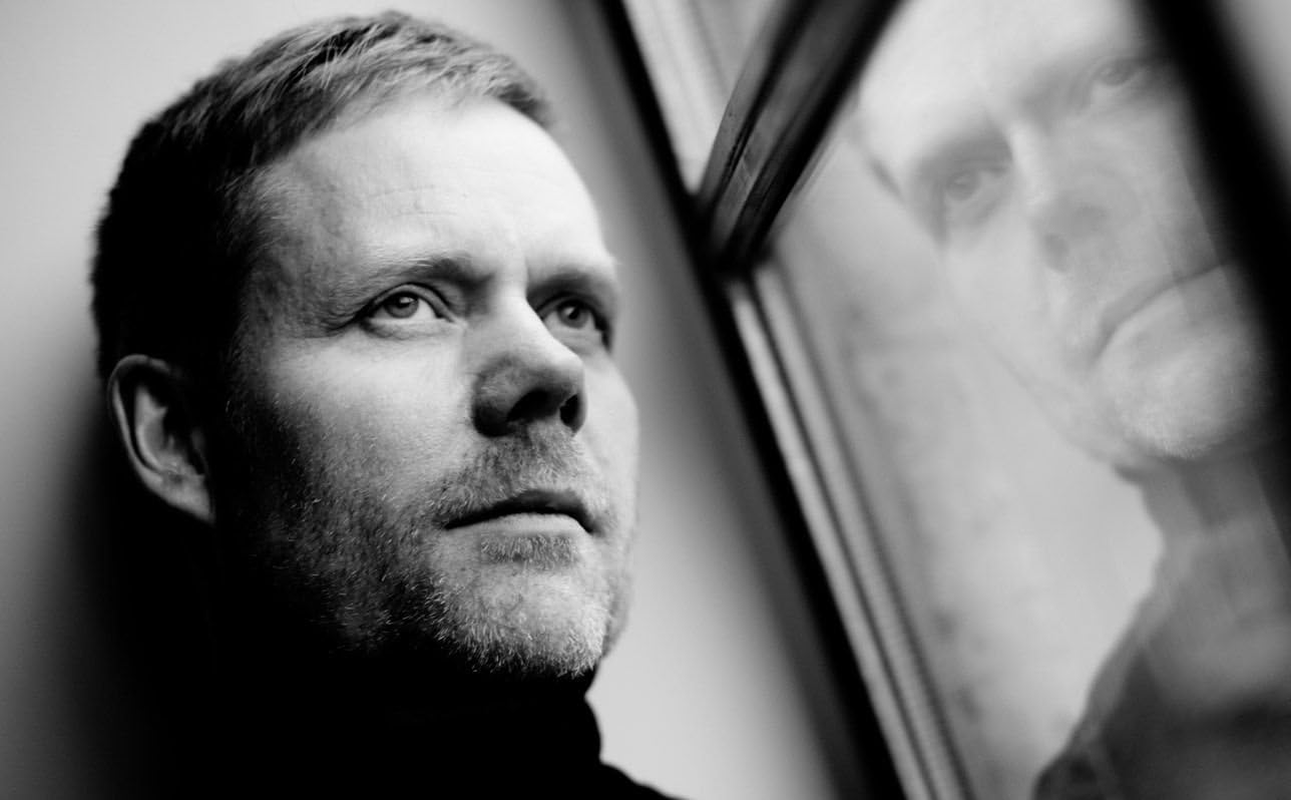
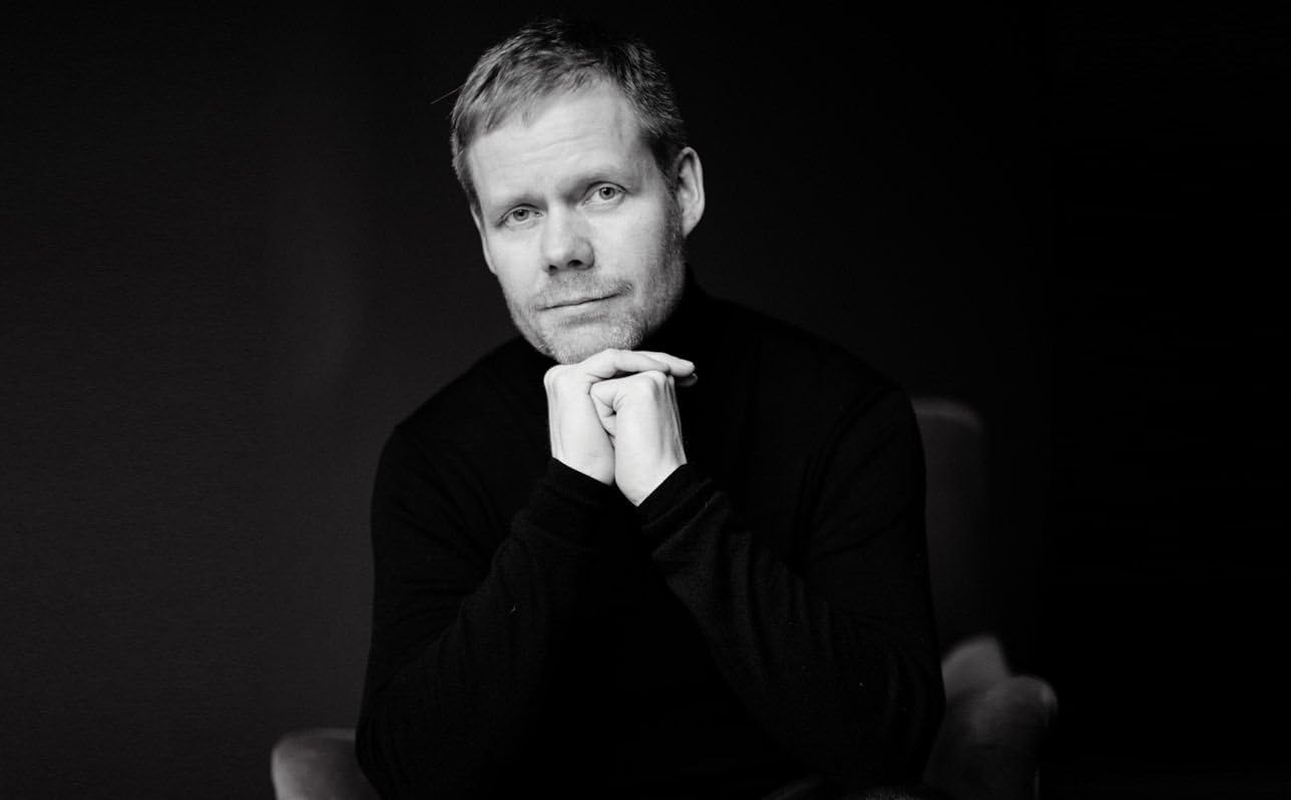
Acclaimed British composer Max Richter is about to make history, with a ground-breaking piece of work the longest single piece of music ever recorded!
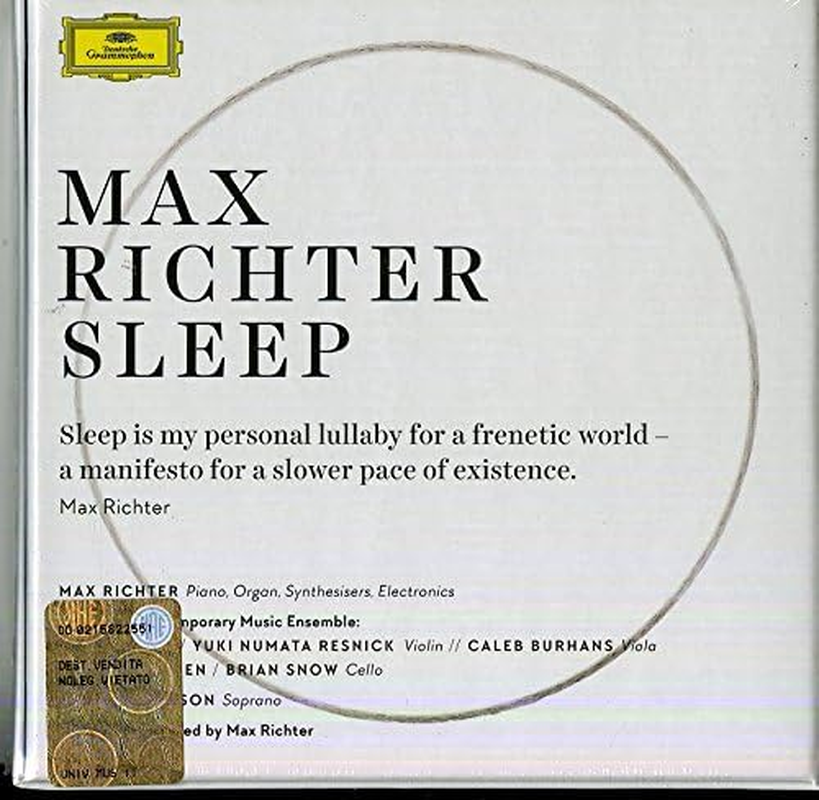
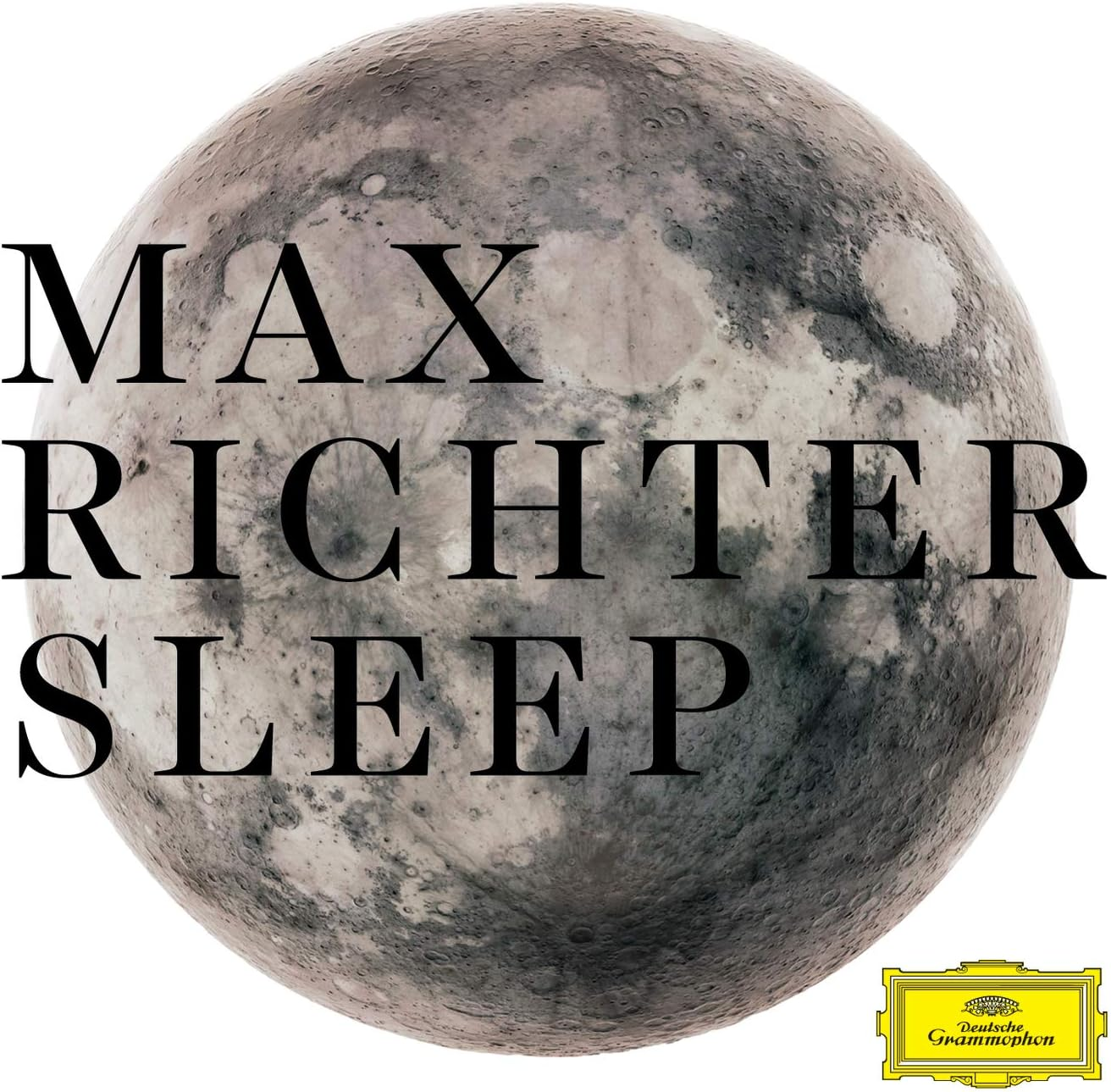
His new album SLEEP is an eight-hour Lullaby. An exploration of music, consciousness and human connectivity and is actually intended to send the listener to sleep.
The landmark work is played on piano, strings, with subtle electronic touches and vocals but no words. It s my personal lullaby for a frenetic world. A manifesto for a slower pace of existence. It would be great if people were to start playing it while they are getting ready for bed, so that they hear it in their sleep. Max Richter
Richter came up with the idea as he has always been fascinated by the process of sleep. As a child, it was my absolute favourite activity. I often think of composing as a daydreaming activity and, if I could, I would sleep for 23 hours a day! It s one of the most important things we all do and for me it s almost like a religion.
During his preparations, Richter consulted the eminent American neuroscientist David Eagleman, in order to understand the mechanisms of the sleeping mind, and the ways in which music can interact with them, which has directly influenced the composer s writing.
Richter describes it as an investigation into the process of sleep. It s really an experiment to try and understand how we experience music in different states of consciousness awake and asleep and ask whether different people hear it in different ways. For me, this piece of music is an attempt to see how that space where your conscious mind is on holiday can be a place for music to live.
The dream state is like you have switched the whole factory over, but there is still this window to the senses, so that the things you are hearing can get incorporated into your dream, and we have all had this experience when, for example your alarm clock goes off and it becomes part of your dream narrative. David Eagleman in conversation with Max Richter
In addition to the 8h landmark recording, there is also a 1h version from SLEEP.
You could say that the short one is meant to be listened to, and the long one is meant to be heard while sleeping, says Richter, who describes the one-hour version as a different trip through the same landscape.
Coinciding with the renewed interest in durational works within the fine art community, Richter says: this isn t something new in music, it goes back to Cage, Terry Riley, and LaMonte Young, and it s coming around again partly as a reaction to our speeded up lives we are all in need of a pause button.
Review
As a composer, all my works are experiments: either they are about
something, or the piece itself is the working out of a musical subject,
an attempt at a solution to a musical question.
The question in this work is How can the sleeping mind and a
musical work interact, and how will this sleeping interaction manifest
itself in the listener s experience of the music?
My fascination with the unconscious and / or sleeping part of our lives
is longstanding. I see it as a resource for creative ideas, and as an
autonomous cognitive space, relatively inaccessible to our conscious
mind (as described, for example the work of Jung, or more recently in
David Eagleman s Incognito), a sort of undiscovered country that lives
inside each one of us.
Discovery takes time. In this case the equivalent of a night s rest - 8
hours or so. This extended performance duration connects SLEEP
with a number of strands in recent gallery work (e.g. the Durational
movement in art) as well as pointing back to some earlier art music
antecedents...
Musical sources begin with Bach s Goldberg Variations BWV988.
Allegedly written to be played as a sort of expensive lullaby for an
insomniac nobleman, they are an early example of music and sleep
explicitly being brought into a functional relationship, though of
course the informal evocation of night and sleep is present in music
from the earliest written sources, for example the latin chant Te Lucis
ante Terminum (Before the ending of daylight).
Moving on we come to Mahler s Nachtmusik I and II, the ghost-like
movements either side of the central movement of the enigmatic
seventh Symphony. Mahler s vision is distinctly within the German
Romantic tradition here, with it s emphasis on the intense articulation
of individual experience. Arguably sleep is the most individual
experience of all.
Fast forward to the 1960s we come to the extended duration works of
La Monte Young, Terry Riley and Morton Feldman, the contemplative
space that is Stockhausen s Stimmung, and the ecstatic pulsations of the
early Pink Floyd, among others. These works close the aesthetic gap
between the physical experience of the music and it s content - the
sound is the text. This boundary or overlap between the musical text
and it s sonic presentation is something I am exploring in my own
work, and I see it as in some way mirroring the unconscious /
conscious mind dualism.
Another way to shine a light onto this question is via contemporary
neuroscience, and, therefore I am in dialogue with David Eagleman,
director of the Laboratory for Perception and Action at Baylor College
and author of numerous scientific works on our mental processes. This
is directly affecting the development of the musical work, for example
on the development of structural aspects of the material that interlock
with the cyclical nature of sleep itself. --Max Richter December 2014
- Item Model Number: 2263673
- Number of discs: 9
- Original Release Date: 2016
- Product dimensions: 13.41 x 13.31 x 2.79 cm; 265.92 Grams
- Label: DEUTSCHE GRAMMOPHON
- Book Type: Audio CD, Box set, 8 January 2016
- Is discontinued by manufacturer: No
- Manufacturer: DEUTSCHE GRAMMOPHON
A$100.25
Shipping to Australia
Delivery time varies by location
Return & Refund Policy
Check our return & refund policy
Security & Privacy
Safe payments: We do not share your personal details
Availability:
-
This item is currently not available
Sign in
or create an eMega account
Shop smarter — get exclusive deals & order tracking