Free Shipping – Store Wide
The Good University: What Universities Actually Do and Why It'S Time for Change
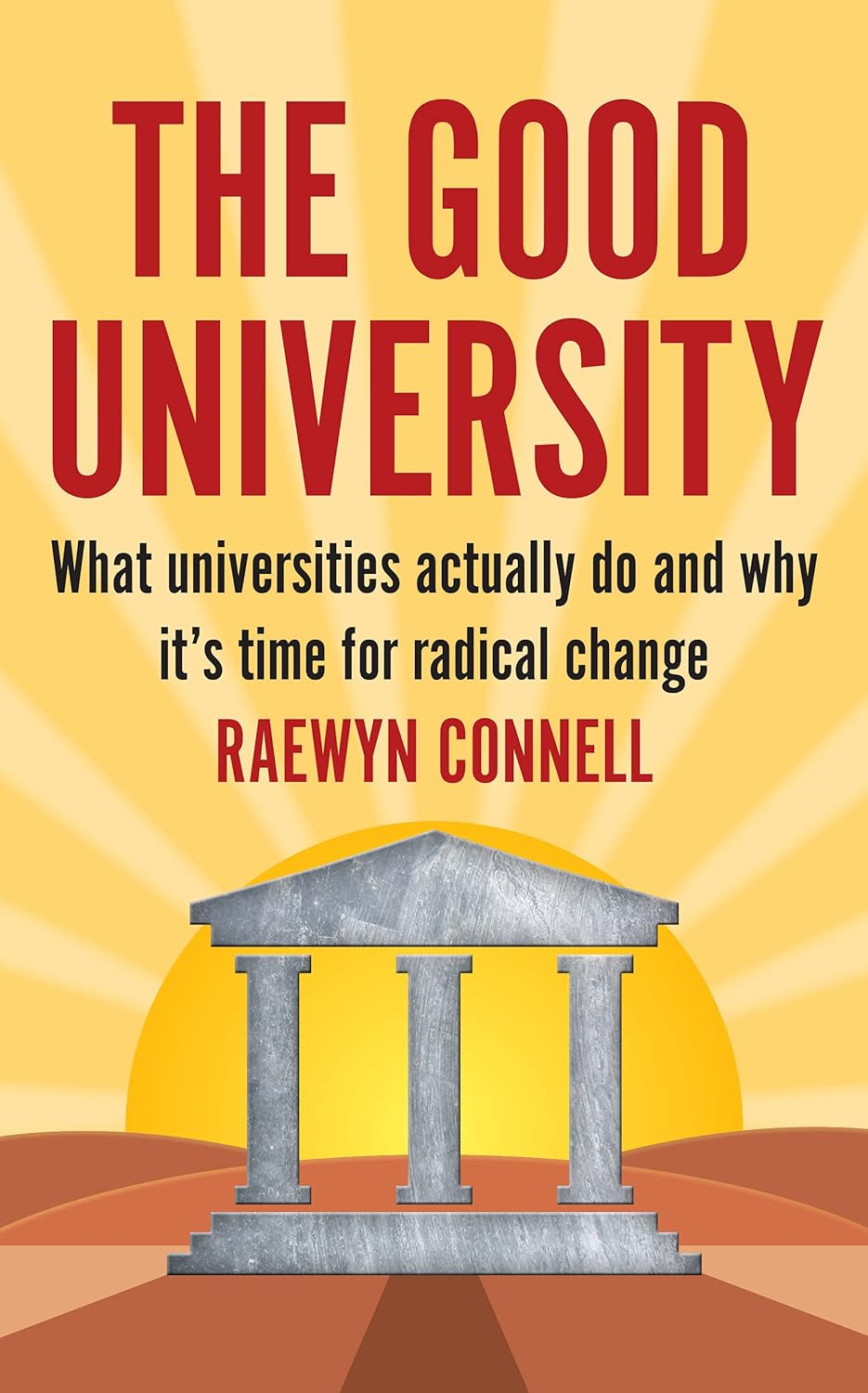
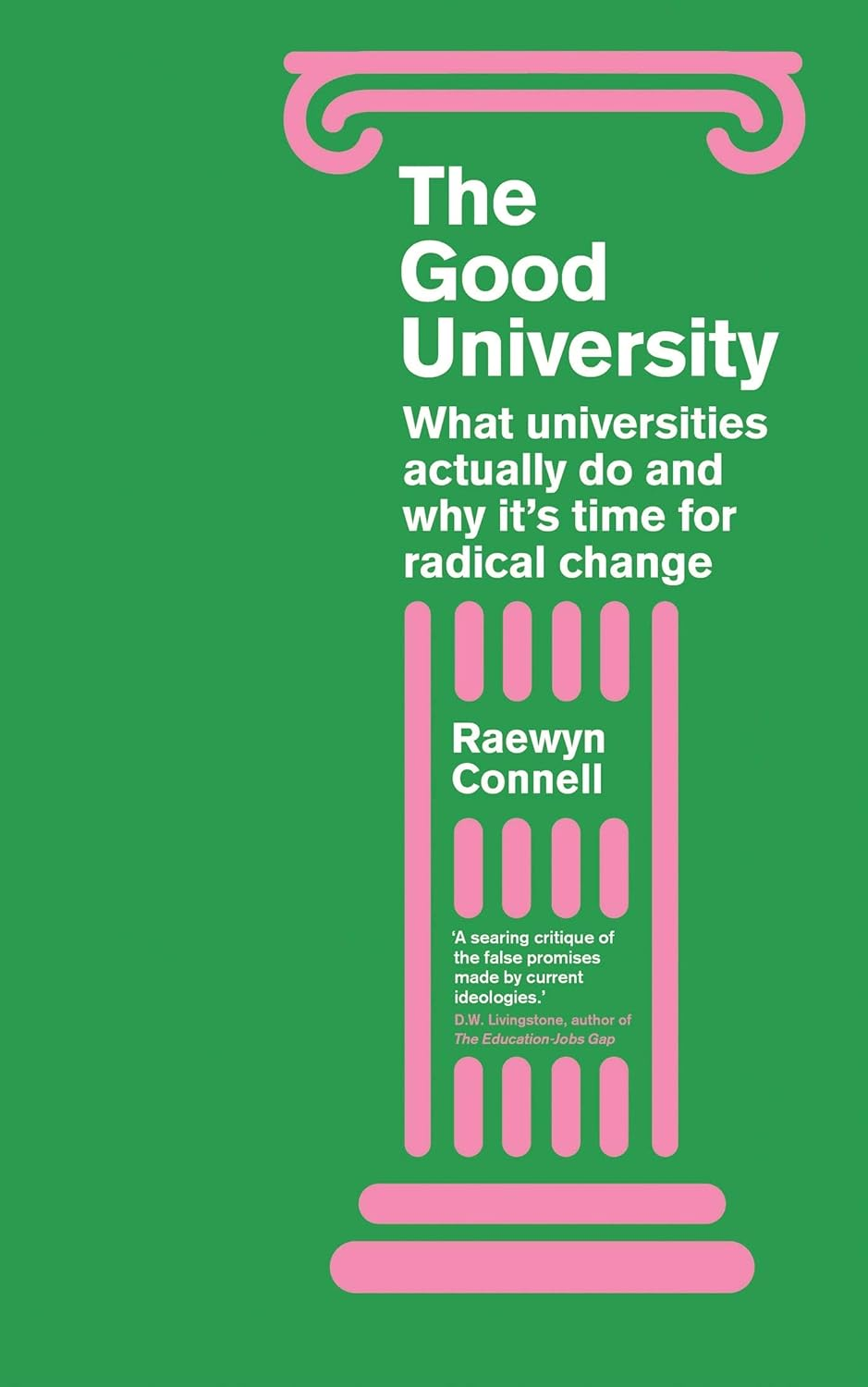
The Good University: What Universities Actually Do and Why It'S Time for Change
A$26.80
-
A$191.25
Availability:
-
Select Styles for Availability
Shop with confidence
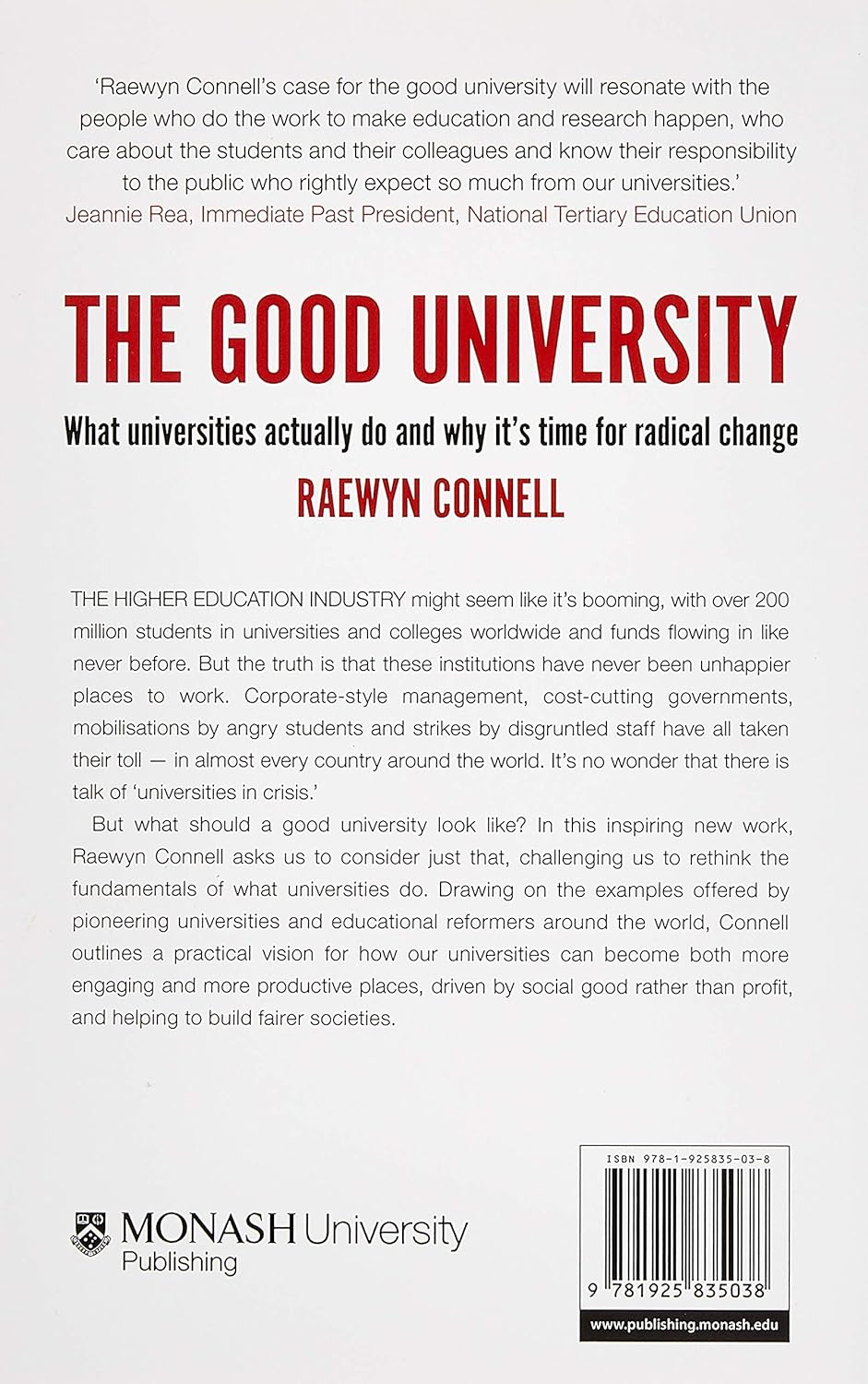
The higher education industry isbooming, with over 100 million students worldwide and more funds flowing thanever before. University websites gleam with images of happy students and wisementors, and their managers put out upbeat accounts of innovations.
Yet universities have never beenunhappier places to work. Highly paid,corporate-style managers and cost-cutting governments have casualised theteaching workforce, outsourced much of the professional and support work, andcreated widespread distrust. Student mobilizations have closed downuniversities from South Africa and India to Latin America. Staff and faculty strikes, once unheard of inuniversities, have rocked campuses even in the richest countries. And there'san angry sometimes anguished debate inside universities. Critics speak ofoutdated pedagogy, exploitation of young staff, distorted and even fakedresearch, outrageous fees, outrageous pay for top managers, corporate rip-offs,corruption, racism, and mickey-mouse degrees.
Despite this, higher education is booming. The official figuresfor 2015 showed more than 200 million higher education students enrolledworldwide. Simon Marginson, a noted analyst of the political economy ofuniversities, has observed that many countries are now approaching ahigh-participation system where more than half the relevant age-group go intohigher education. And Universities represent, collectively, a tremendous socialasset, which educate the professions on which public health, public education,modern communications and social services rely. They produce most of thetechnical knowledge that goes into economic change, and are the source,directly or indirectly, of much of the critical thinking and imagination inculture and politics.
TheGood University is not a research report, but rather,an argument for change and a search for a better logic and new paths ofpractice. We are not cursed forever with the current models; we can designuniversities worth building, and think practically about how to build them.This does not mean working in an enclave. Universities are linked to the state,the economy, the public culture and the wider education system, so creatinggood universities implies a broad agenda of democratic change. Universitiescapacity for challenge, critique, invention and growth has survived, but it hasto be fought for.
- Publisher: Monash University Publishing (1 March 2019)
- Paperback: 256 pages
- Language: English
- Book Type: Paperback
- ISBN-10: 1925835030
- ISBN-13: 978-1925835038
A$26.80
-
A$191.25
Shipping to Australia
Delivery time varies by location
Return & Refund Policy
Check our return & refund policy
Security & Privacy
Safe payments: We do not share your personal details
Availability:
-
Select Styles for Availability
Sign in
or create an eMega account
Shop smarter — get exclusive deals & order tracking