Free Shipping – Store Wide
Just One Tasmanian Policeman 2Nd Edition
Just One Tasmanian Policeman 2Nd Edition
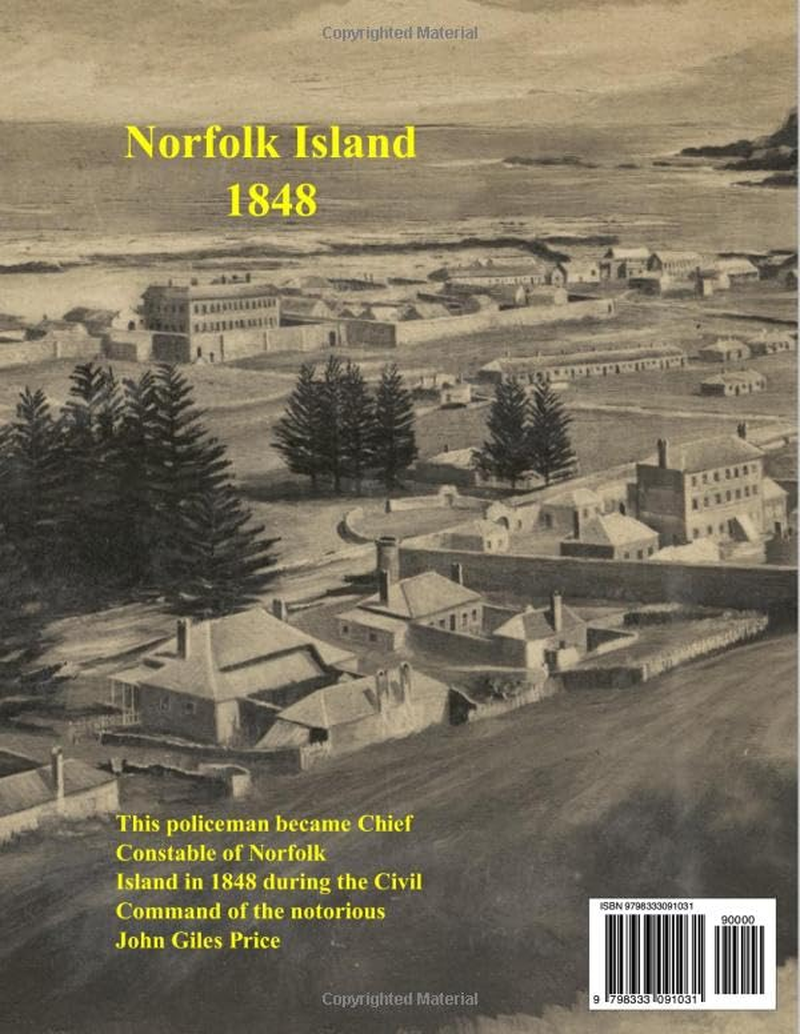
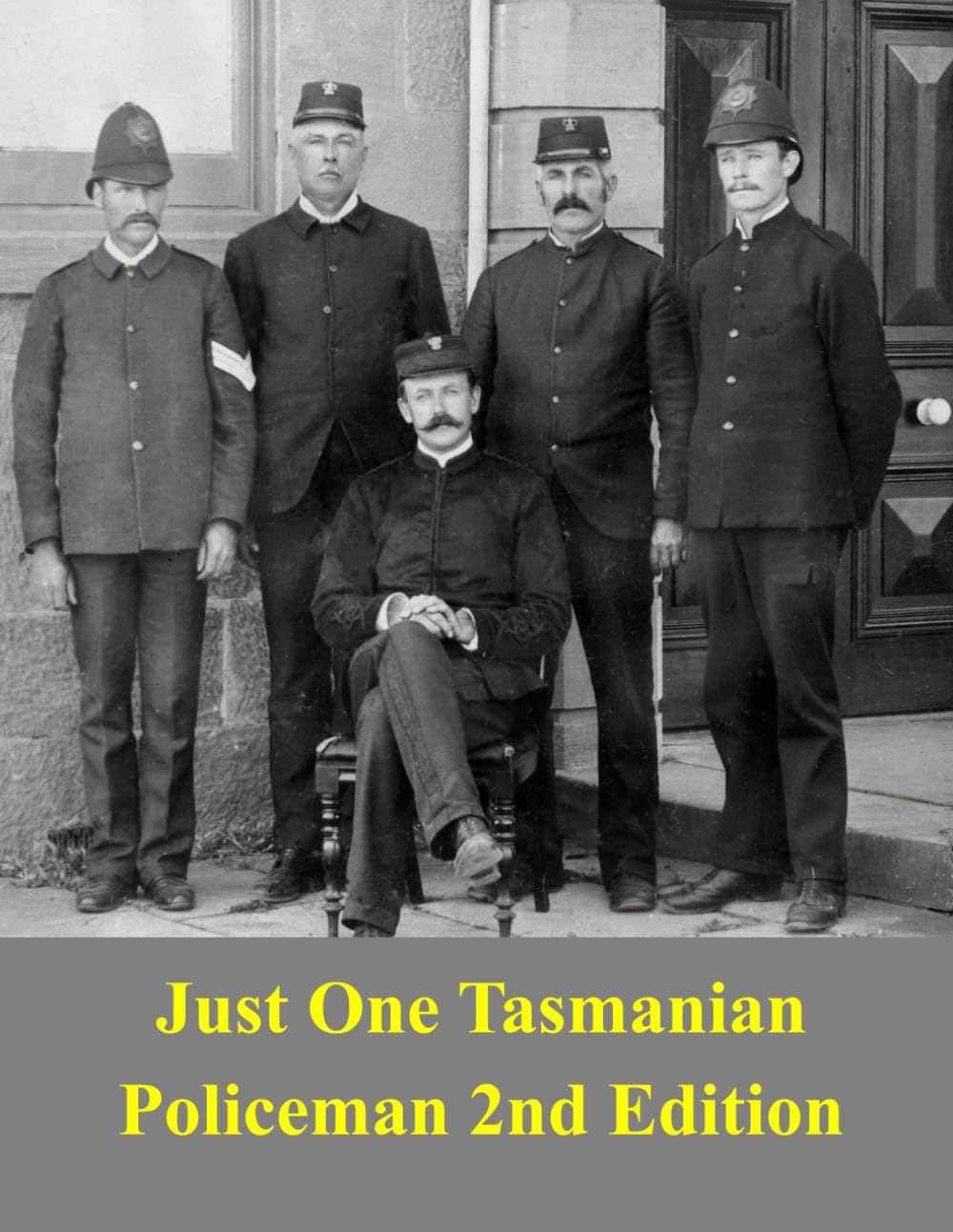
As the Colony of Van-Diemen’s Land matured to eventually become the State of Tasmania within the Commonwealth of Australia, so do did the nature of its policing requirements. At the outset of settlement in 1803, regiments of the British Army acted as convict guards and somewhat blunt-force protectors of the fledgling civil communities that began to grow around the convict settlements and beyond. As those civil communities became established through the families of British administrators, free settlers and emancipated convicts, the need for a more usual police force with a more nuanced approach to law and order was necessary. The early police were mostly better-behaved convicts, and much of their work was focused on controlling or containing the many convicts who were working in gangs around the colony. The two main colonial population centres in 1840 were Hobart Town and Launceston, with relatively sparsely populated towns forming the rural communities around the remainder of the colony. There were two other significant population centres however. They were the penal settlements of Tasman’s Peninsula (including Port Arthur), and Norfolk Island. The administrative responsibility and all costs associated with operating these settlements, until they were ultimately closed, remained an obligation of Britain. The gaolers and police employed in these settlements were managed directly by the Van Diemen’s Land Convict Department. The City Police (Hobart Town and Launceston), and the Rural Police (everywhere else except the convict settlements), were administered by the Colonial Government. The cost of operating these Van Diemen’s Land, (later renamed Tasmania in 1855), civil police systems was significant. At the outset, when the primary purpose of the colony was to have somewhere to transport British convicts, the British Government readily paid all costs. As the Van Diemen’s Land civil community grew however, and became productive, the British Government pressured its Governors and other representatives to apply taxes so that the police force could be funded locally. This caused great consternation in the local community. When the first Parliament of the self-governing colony of Tasmania met in December 1856, it recognised that it had to find a new way to fund its police force. Its subsequent legislative actions were innovative but disruptive. Over the following 44 years until it joined the Federation of Australian States, there was great change as its systems of policing administration evolved. Commencing in 1856, the newly empowered Colony Government determined that it would encourage all districts to become municipalities, and included within the mandates of those which did, direct management of their own police forces. James Stevens was just one Tasmanian policeman of this period. At the end of his career, he understood what it was to be a ‘city policeman’, a gaoler of convicts, a Chief Constable of a remote mixed convict and civilian community, and to operate within the Convict, Rural and Municipal Police Force systems of Tasmania. His career therefore forms a useful framework upon which to observe Tasmanian policing and convict management between 1840 and 1900. This book uses 19th century information from multiple digital and other sources to provide insight into service then as a Van Diemen’s Land/Tasmanian police constable. It also uses the Norfolk Island diary records of James Stevens, overseer Aaron Price, and convict Martin Cash to provide first-hand perspectives of three of those who were at the Norfolk Island penal settlement in the final phase of its operation. By 1900, all of Tasmania's police were again one centralised force, transportation of convicts from Britain had ceased, and the penal settlements of Norfolk Island and Tasman's Peninsula (including Port Arthur), no longer existed.
- Publisher: Independently published
- Dimensions: 21.59 x 1.09 x 27.94 cm
- Language: English
- Print length: 180 pages
- Item weight: 535 g
- Book Type: Paperback
- ISBN-13: 979-8333091031
- Publication date: 31 July 2024
Shipping to Australia
Delivery time varies by location
Return & Refund Policy
Check our return & refund policy
Security & Privacy
Safe payments: We do not share your personal
details
Availability:
-
In Stock
Sign
in
or create an eMega account
Shop smarter — get exclusive deals & order
tracking